Take the Incontinence Quiz Start the quiz
Skip to main content
Woman looking out to nature, relief & hopeful

Axonics Sacral Neuromodulation Therapy

The symptom relief that you deserve22; Ask about bladder and bowel control therapy today.

Axonics Sacral Neuromodulation Therapy

The symptom relief that you deserve22. Find relief from bladder and bowel control symptoms and reconnect with the moments, activities, and confidence that matter most.

Relief starts with understanding your treatment options

Are you tired of the frequent bathroom trips or accidents? Bladder and bowel control symptoms can affect confidence, sleep, travel, exercise, work and everyday activities, but you don’t have to simply live with them. Axonics bladder and bowel therapy is a long-lasting23 and clinically-proven22 treatment option that may help you restore normal function of your bladder and bowel.

What is Sacral Neuromodulation (SNM)?

Sacral neuromodulation (SNM) is a therapy that may help restore normal control of the bladder and bowel. The therapy involves implanting a small medical device to gently stimulate the sacral nerves, which is designed to control bladder and bowel function. By supporting the improvement of bladder and bowel function, Axonics SNM therapy may help reduce symptoms of urinary and faecal incontinence and may support return to a more active, confident life.

How does Sacral Neuromodulation Therapy work?

Conditions like overactive bladder, urinary incontinence and bowel incontinence can result from disrupted communication between the brain and the bladder or bowel. SNM aims to restore this communication by sending gentle electrical pulses through tiny electrodes built into a soft wire, called a lead. These electrodes stimulate the sacral nerves, located near the tailbone, that control bladder and bowel function. These mild electrical pulses work to support normal signalling between the brain and pelvic organs, which may help improve control and reduce symptoms.

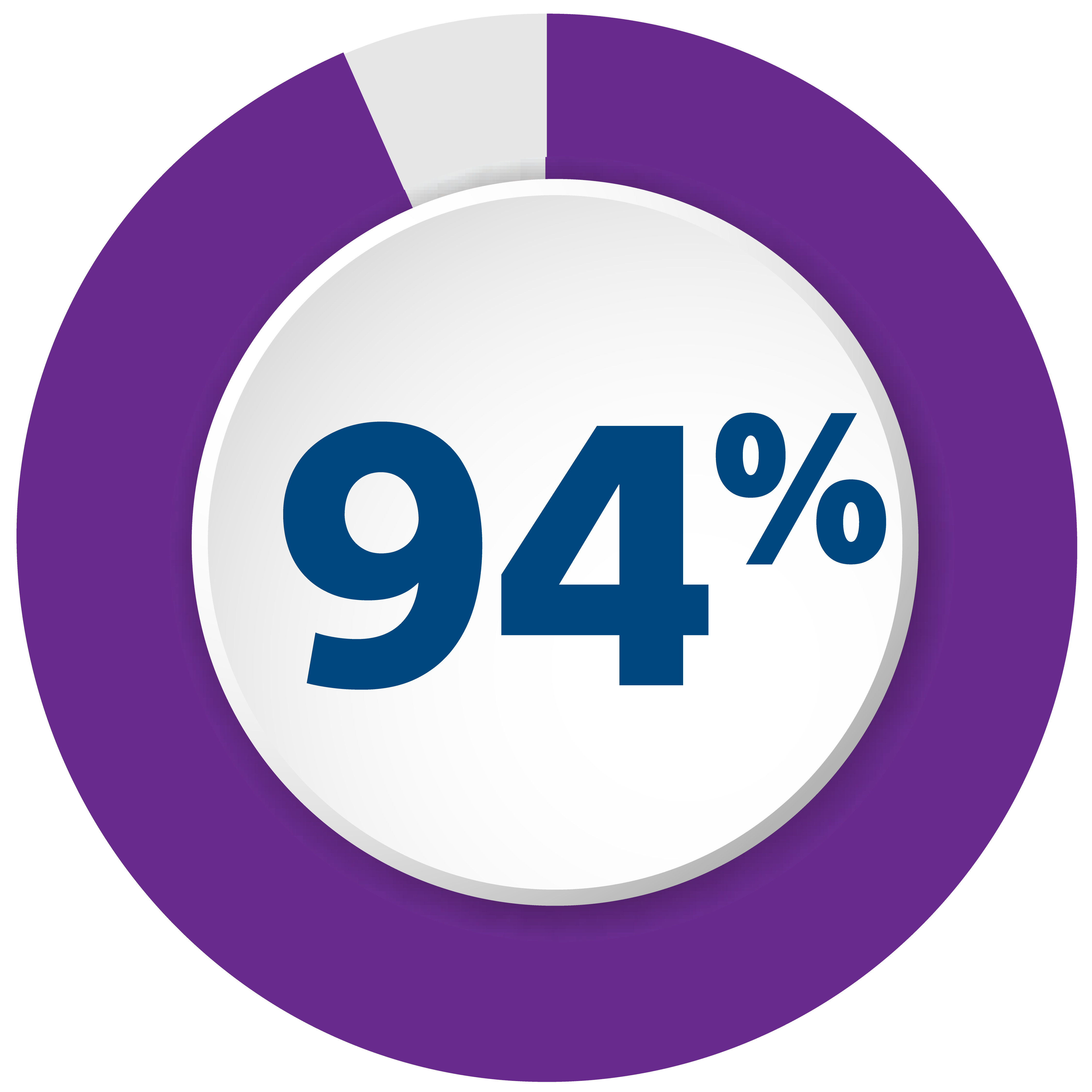
94% of urinary incontinence patients* were satisfied with Axonics Therapy at 2 years21

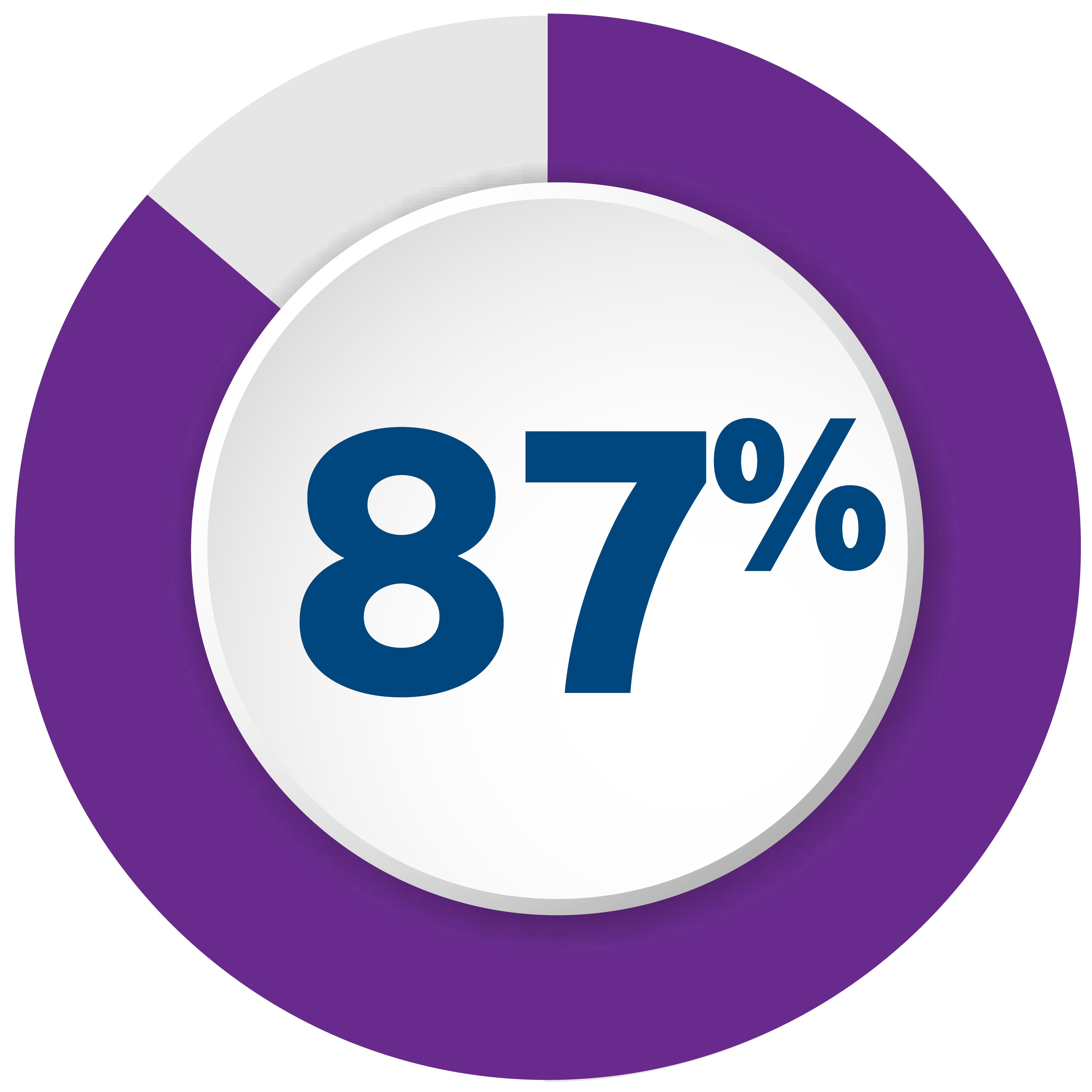
87% of faecal incontinence (FI) patients had > 50% reduction in FI episodes24

Who may be suitable for Axonics SNM Therapy?

Axonics SNM therapy for urinary control is indicated for the treatment of urinary retention and the symptoms of overactive bladder, including urinary urge incontinence and significant symptoms of urgency-frequency alone or in combination, in patients who have failed or could not tolerate more conservative treatments.

Axonics SNM therapy for bowel control is indicated for the treatment of chronic faecal incontinence in patients who have failed or are not candidates for more conservative treatments.

You may wish to consult a urologist or colorectal specialist to discuss sacral neuromodulation as a potential therapeutic approach, if your incontinence symptoms persist despite pelvic floor therapy or medication interventions. A trial stimulation phase with your physician is typically performed before permanent implantation to assess your response to Sacral Neuromodulation therapy.

Overactive Bladder

Bowel Incontinence

Urinary Incontinence 

How do I know if SNM Therapy is suitable for my symptoms?

Trialling the therapy, before proceeding with a long-term implant, your doctor may recommend a short trial of an Axonics therapy to evaluate its effectiveness in managing your symptoms.

During this trial, small leads are placed in the upper buttock area and connected to an external stimulator, which is discreetly worn against your body. This allows you to experience the therapy and determine whether it provides meaningful symptom relief. The procedure is typically performed as a day surgery. You’ll be positioned on your stomach and given anaesthesia to ensure comfort throughout the process.

Long term therapy with a full implant

If you and your doctor decide to proceed with a long-term treatment, a day procedure will be scheduled to implant the device.  A small stimulator will be placed under your skin in your upper buttock and attached to a thin flexible wire located in your sacrum (lower back). During the procedure you will be lying on your stomach and given anaesthesia.

Once you’ve healed, you can return to your regular daily activities. The only visible sign of the procedure is typically a small, thin scar at the site where the neurostimulator was placed under your skin.  Your implant will be activated either immediately after the procedure or shortly afterwards.


References:

21. Irwin DE, Kopp ZS, Agatep B, Milsom I, Abrams P. Worldwide prevalence estimates of lower urinary tract symptoms, overactive bladder, urinary incontinence and bladder outlet obstruction. BJU Int. 2011;108(7):1132-1138.

22. Pezzella A, McCrery R, Lane F, et al. Two-year outcomes of the ARTISAN-SNM study for the treatment of urinary urgency incontinence using the Axonics rechargeable sacral neuromodulation system. Neurourol Urodyn. 2021;40(2):714-721. doi:10.1002/nau.24615

23.Company data on file. 110-0022-002rA

24. Jottard, K., Van den Broeck, S., Komen, N., Bruyninx, L., & De Wachter, S. (2020)

Disclaimer and endnotes: 

Results from case studies are not necessarily predictive of results in other cases. Results in other cases may vary.

All images are the property of Boston Scientific. All trademarks are the property of their respective owners.

Individual symptoms, situations, circumstances and results may vary. This quiz is meant for information purposes only, it is not intended to be used for medical diagnosis or treatment or as a substitute for professional medical advice. Please consult your doctor or qualified healthcare provider regarding your condition and appropriate medical treatment. This site is intended for Australian residents only. Please review the Boston Scientific Privacy Policy, for practices on the collection, storage, use and disclosure of your personal information.

Content of videos are for Information Purposes only and does not constitute medical advice. BSC strongly recommends that you consult with your physician on all matters pertaining to your health or to address any questions.

The Axonics SNM system is not a first-line treatment. Surgery is required for use of Axonics SNM system, and any surgical procedure carries risk. Outcomes vary for each patient. Patients should consult their healthcare professional about factors that could impact response.

CAUTION: This product is not available for purchase by the general public. Indications, contraindications, warnings, and instructions for use can be found in the product labelling supplied with each device or at www.IFU-BSCI.com.

Australia and New Zealand: Boston Scientific Pty Ltd | PO Box 332 Botany NSW 1455 Australia